The Difference Between a Path of Incarceration and Recovery Can Be a Single Phone Call
Get helpCompassion, not punishment.
Dealing with addiction, whether it’s a loved one or the person you see in the mirror, is extremely hard. It’s made even more difficult when the justice system is involved, and you find yourself tasked with navigating it.
Whether it’s convincing the court to allow for a rehabilitation program instead of a jail cell, translating your attorney’s legalese into a language you can understand, or convincing probation that addiction is cured through compassion and not punishment:
We can help.
Our goal is that individuals be given the help they need to beat their addictions and create happy, healthy, purpose-driven lives. It’s no secret that incarceration, segregation, and isolation only compound the problem. By sending people to jail and prison instead of treatment and supportive communities, the legal system ends up perpetuating the very problems it ostensibly seeks to prevent.
When the district attorney sees your son as a criminal and not someone suffering; when a judge decides that stripping someone of the love and support of their family is the answer; when the attorney you’ve paid thousands of dollars to can’t give you a straight answer:
We can help. And we will, just give us a call.
Before, during, and after.
Before sentencing
Alternative sentencing and treatment advocacy. Rehabilitation programs instead of custody. Letters of support to the court. Working with the district attorney and probation. Translating your attorney’s legalese.
In custody
Getting prescribed medication admitted to the jail. Watch commander and facility contacts. Safety advocacy for you or a loved one. Family liaison and communication. Coaching through the process.
After
Record sealing and expungement. Rights restoration. Reentry planning for school, work, and housing. Probation and parole communication. Making the time count.
A defense attorney’s job ends when the gavel hits the bench. Ours doesn’t.
We learned working in criminal court that the lawyer’s work stops at the verdict. Which is why we think it’s especially important to support clients who end up having to serve time.
Whether it’s getting prescribed medication admitted to the jail so that you or a loved one isn’t at the mercy of their medical care, reaching a watch commander through the contacts we have within the jails and prisons to ensure their safety, or coaching them through the process: our job doesn’t end just because their lawyer’s does.
We’ve helped clients make real use of their time inside so that a bad verdict doesn’t have to end in a bad outcome.
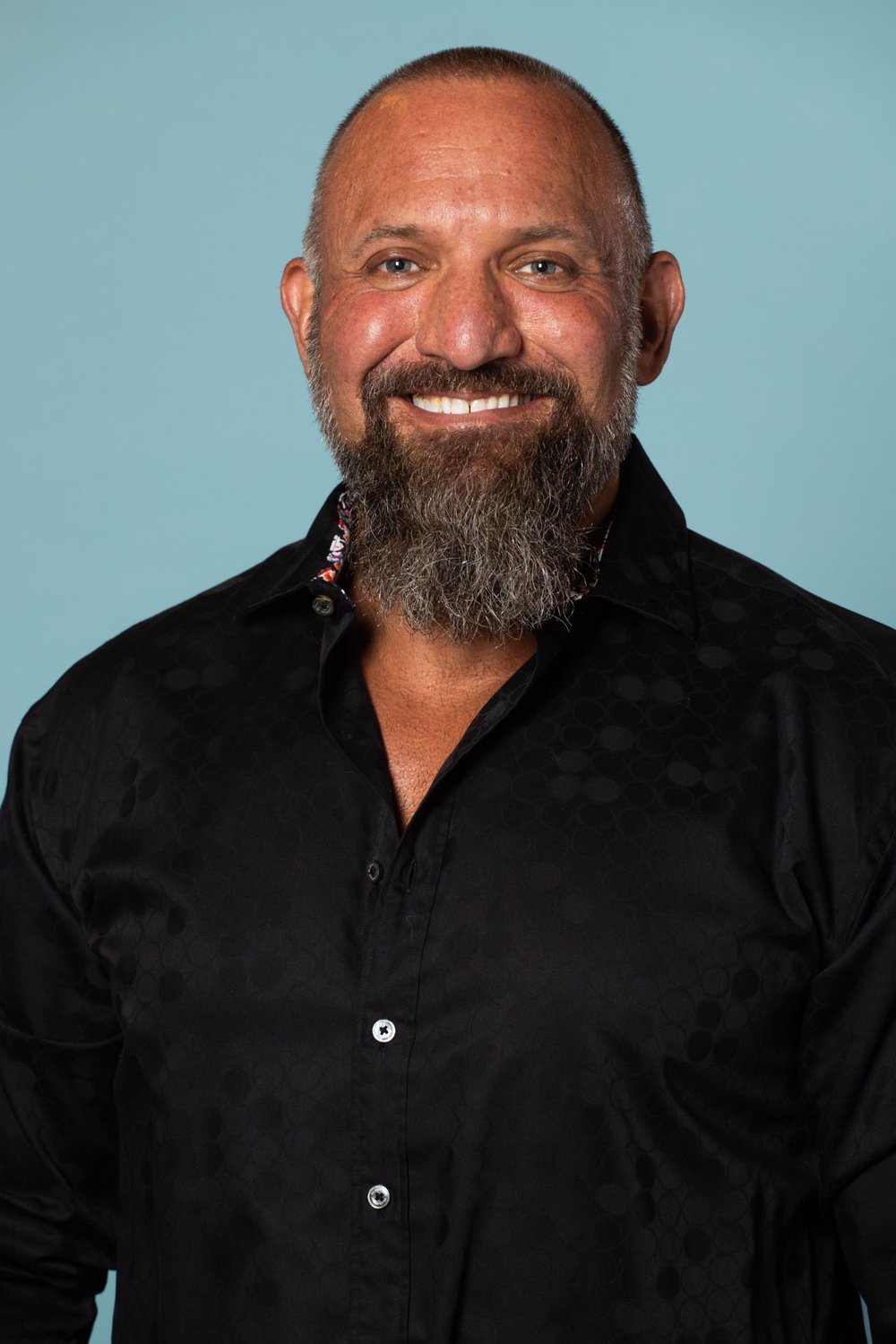
When I was a little boy, I remember being asked what I wanted to be when I grew up. I remember saying “doctor,” “astronaut,” but I definitely never said “inmate.”
And yet, at the age of 21, fresh out of high school and attending undergrad for computer science, that’s exactly what I ended up becoming. For 3 years.
I’d become addicted to drugs and the justice system saw fit to incarcerate me for most of my early 20s in jail and prison. I would go on to repeat undergrad and then law school. I was director of a criminal record sealing program, I worked in dependency and criminal court, and eventually became in-house counsel.
It wasn’t until I once again struggled with addiction and was luckily able to advocate for myself and finally get the treatment I was denied at 21, that at 34 years old I realized something:
The difference between whether you go to jail or to rehab can be a single phone call; a single meeting with the district attorney with whom you have a good relationship; a single letter of support to the judge from someone who has gone through the same struggle and understands that the drugs or the alcohol have been punishing you for years, and what you truly need is help.
I am so grateful that through Legal Ease, I’m able to provide that help to you.
David Gable, Founder